
Destinatii descoperite recent
Descoperă Cambodgia, Sanctuarul civilizației khmere!
December 12th, 2023
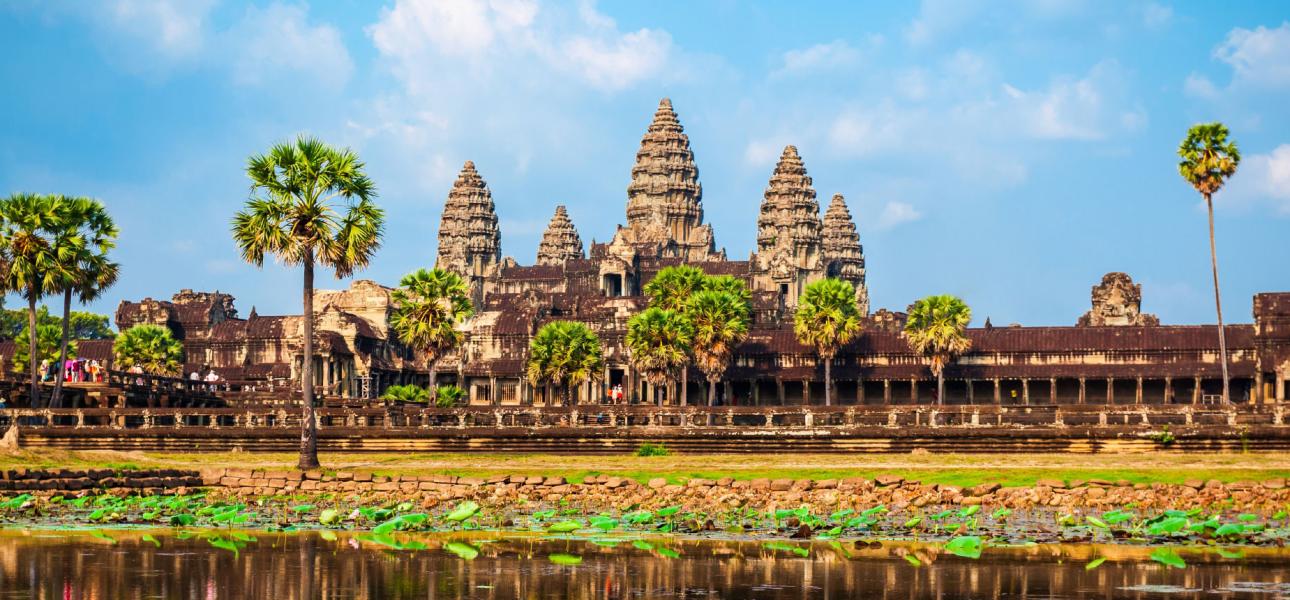
O tara pe care trebuie s-o vizitezi!
Cambodgia este vibranta, fascinanta si incredibil de spirituala, este locul unde reinvie cultura khmera, spatiul atemporal unde ai revelatia ridicarii si caderii dinastiilor... Cambodgia are o mostenire fabuloasa, este un taram salbatic si putin explorat, cu oameni care, desi saraci, nu au uitat sa zambeasca. Aici se afla complexul de temple Angkor, cea mai mare constructie religioasa de pe Planeta si, probabil, cea mai misterioasa. Este o lume a rafinamentului absolut, a artei in stare pura, un spatiu in care trebuie sa fii initiat. Istoria cumplita a ultimelor decenii, tragedia poporului cambodgian, milioanele de crime infaptuite de regimul lui Pol Pot, razboiul civil si prezenta khmerilor rosii au facut ca aceasta tara sa fie practic stearsa de pe ofertele agentiilor turistice. Nimic mai regretabil, caci arhitectural, artistic si cultural, nicio alta tara sud-asiatica nu poate concura cu Cambodgia.
Cautatorii de aventuri vor fi incantati de tinutul salbatic al Cambodgiei, de uimitorul decor natural, de triburile si cultura acestui popor. Aici poti veni sa faci trekking, mountain biking, plaja si sporturi nautice sau pur si simplu sa explorezi. Cambodgia ramane o tara exotica cu temple si jungla, cu rauri ce curg in sens invers, cu minuni arhitecturale ce merita cu siguranta cunoscute. Cambodgia reprezinta o poarta de intrare spre un tinut exotic si provocator cu temple pierdute, plantatii de orez, sate micute, dar si plaje care abia asteapta sa fie explorate.
Ce ai de vizitat in Cambodgia?
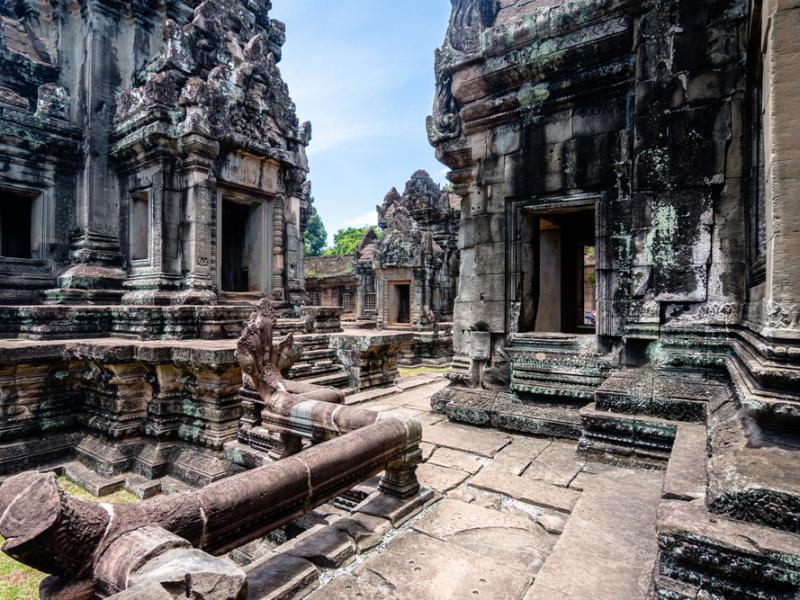
Angkor Thom
Angkor Thom, cunoscută și sub numele de "Marele Oraș" în limba khmeră, a fost ultimul și cel mai durabil oraș capital al Imperiului Khmer din Cambodgia. A fost înființat la sfârșitul secolului al XII-lea de către regele Jayavarman al VII-lea și acoperă o suprafață de 9 km². Orașul găzduiește mai multe monumente din perioade anterioare, precum și cele construite de Jayavarman al VII-lea. La centrul orașului se află templul de stat al lui Jayavarman, Bayon, cunoscut pentru cele 54 de turnuri decorate cu fețe zâmbitoare. Angkor Thom face acum parte din Parcul Arheologic Angkor, care din 1992 este inclus în Patrimoniul Mondial UNESCO. Orașul a fost construit ca un centru politic și religios sacru, diferit de orașele anterioare, reflectând ambițiile grandioase ale regelui Jayavarman al VII-lea
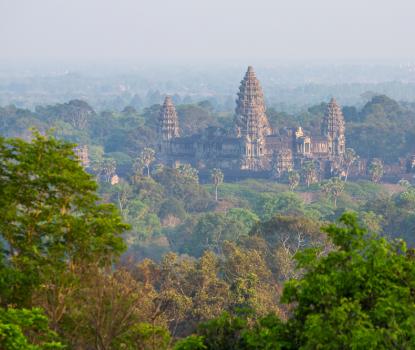
Vedere aeriala cu Angkor Wat
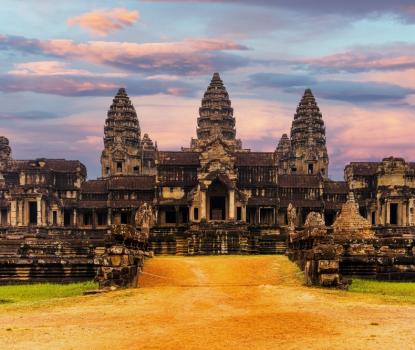
Intrarea principala in Angkor Wat
Angkor Wat este un complex de temple din Cambodgia, construit în prima jumătate a secolului al XII-lea de către regele Khmer Suryavarman al II-lea, în jurul anului 1110-1150. Este considerat cel mai mare monument religios din lume și a fost centrul unui oraș la fel de mare ca Berlinul. Numele original al templului a fost Vrah Viṣṇuloka sau Parama Viṣṇuloka, însemnând "locuința sacră a lui Vishnu". Angkor Wat este protejat de un zid înalt de 15 picioare și un șanț larg și acoperă o suprafață de 200 de acri.
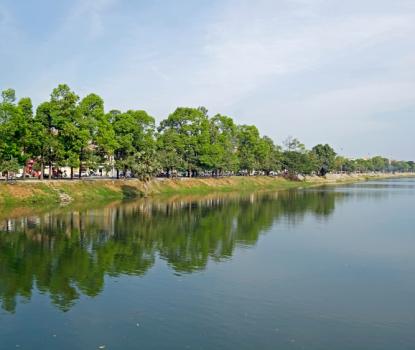
Sat tipic din regiunea Battambang
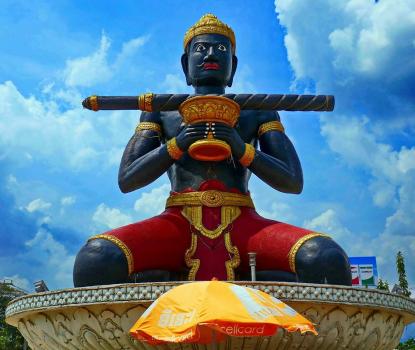
Statuia lui Ta Dumbong Kro Aung
Battambang este un oraș situat în partea de nord-vest a Cambodgiei, fiind capitala provinciei cu același nume și al treilea cel mai mare oraș din țară. Fondat în secolul al XI-lea de către Imperiul Khmer, Battambang este un important producător de orez și a fost un important centru comercial și capitală provincială a provinciei siameze. Orașul este situat pe râul Sangkae și este cunoscut pentru arhitectura sa colonială franceză bine conservată. Battambang este o destinație turistică mai puțin aglomerată decât alte orașe din Cambodgia, cum ar fi Siem Reap sau Sihanoukville, și oferă o experiență mai autentică a culturii și istoriei cambodgiene.
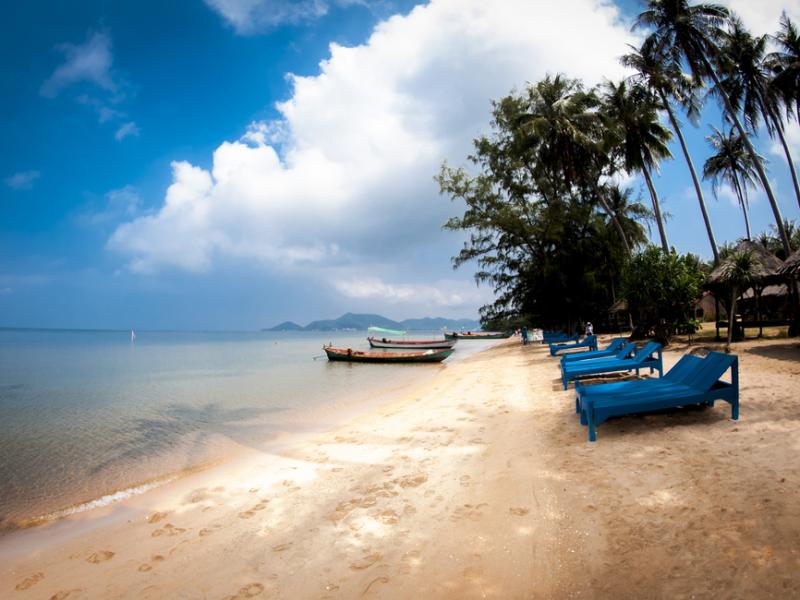
Plaja din Kep
Kep este un mic oraș situat pe coasta Cambodgiei, fiind cea mai mică provincie a țării, cu o suprafață de 336 km² și o populație de aproximativ 42.000 de locuitori. Orașul a fost odată o destinație populară pentru elitele Cambodgiei, dar a fost abandonat în timpul regimului Khmer Rouge. Astăzi, Kep este cunoscut pentru piața sa de crab și pentru arhitectura sa istorică, care combină elemente europene și tradiționale cambodgiene. Deși nu este o destinație turistică populară, Kep oferă o experiență autentică a vieții de coastă din Cambodgia și este o opțiune bună pentru cei care caută o destinație mai puțin aglomerată

Vacanța Ta Începe Aici
Abonează-te și îți trimitem cele mai bune oferte de vacanță
Alegeți limba
English
United States
United Kingdom
United Kingdom
Română
România